Journal · Guides
Bhutan in Nine Nights, in the Right Order
Three valleys, not five. Why Taktsang belongs on your last day, what the Sustainable Development Fee really adds up to, and the quiet valley that most nine-night itineraries drop by mistake.
Bhutan is small on the map and slow on the ground. Paro to Thimphu is an hour; Thimphu to Punakha crosses the Dochu La at 3,100 metres and takes three; Punakha to Phobjikha another four, on a road that was being widened for a decade. Nine nights is enough for three valleys done properly, or five valleys done at speed with a lot of it seen through glass.
Order matters more than usual here, because of altitude and because of the Tiger’s Nest. Everyone wants to walk to Taktsang, it is a 900-metre climb over about five hours return, and doing it on day two with jet lag and thin air is how people end up turning back at the cafeteria. Put it at the end. You will be acclimatised, fitter and, by then, motivated in a different way.
The shape we use: two nights Thimphu, two Punakha, two Phobjikha, three Paro. Thimphu first because it is 2,300 metres and gentle, and because a weekday morning at the Institute for Zorig Chusum, watching sixteen-year-olds learn slate carving and thangka painting, gives you the vocabulary for everything you will see afterwards. Go to the archery ground at Changlimithang on a Sunday. The heckling is the sport.
Punakha is warm, low and green — 1,200 metres, rice terraces, bougainvillea — and the dzong at the confluence of the Pho Chhu and Mo Chhu is the finest building in the country. See it in late spring when the jacarandas along its walls are out. Walk the suspension bridge, then up through paddy to Khamsum Yulley. An hour’s climb, no crowds, and the whole valley laid out at the top.
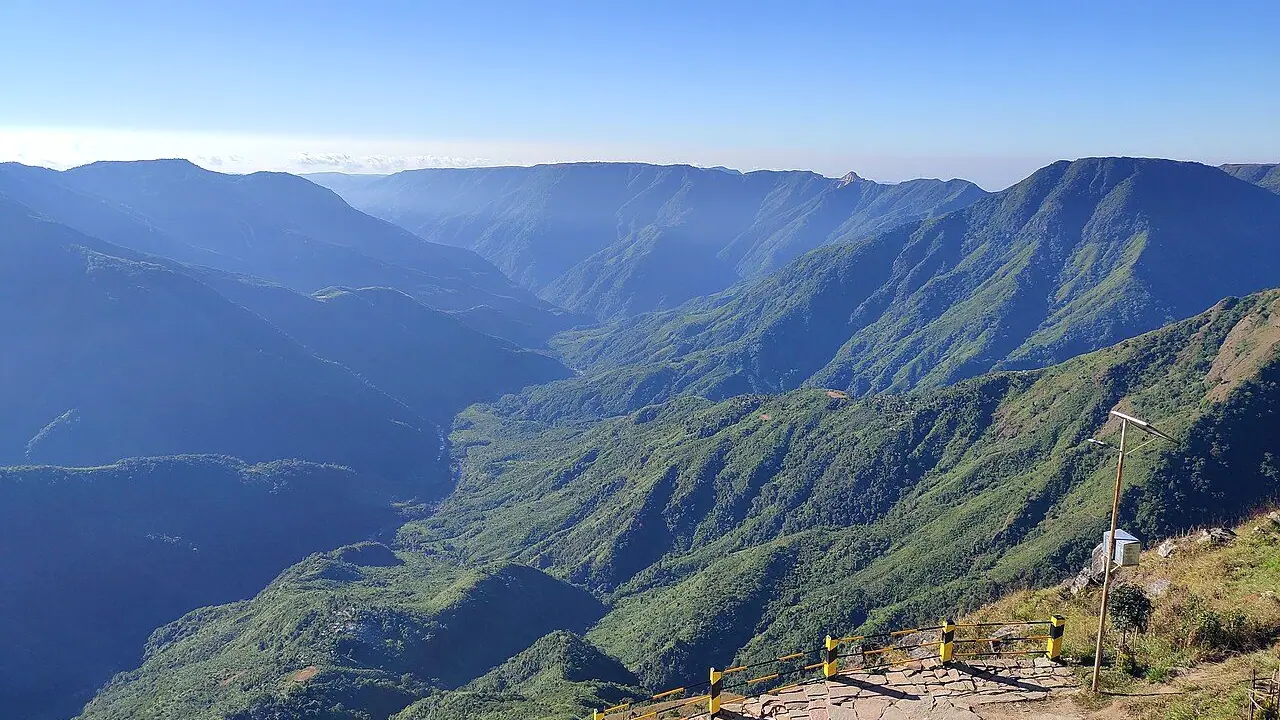
Phobjikha is the one people cut, and the one they should not. A glacial valley at 3,000 metres with no through traffic, a scatter of farmhouses and, from late October to February, about five hundred black-necked cranes that fly in from Tibet and circle the monastery three times before landing. Villagers there voted to keep power lines underground so the birds would not be hit. Stay two nights. It is cold.
Two practical notes. The Sustainable Development Fee is USD 100 per adult per night on top of everything else, so a nine-night trip carries a USD 900 levy per person before a single hotel is booked — budget for it early. And go in late March for rhododendron and warm afternoons, or late October for the cranes and the clearest Himalayan light of the year. Avoid June to August.